Understanding DOT Class IV Hazards: What First Responders Need to Know
When it comes to hazardous materials, understanding the risks is crucial for safe handling and response, especially for materials classified under DOT Class IV. These materials present unique challenges during transportation, storage, and in the event of an accident. The Department of Transportation (DOT) regulates these substances under 49 CFR 173.124, but without proper knowledge of the regulations, the risks of fire, explosions, and toxic byproducts could be disastrous.
Today, we’ll dive into what DOT Class IV substances are, their risks, and the essential things first responders need to understand when dealing with them.
What are DOT Class IV Materials?
DOT Class IV encompasses flammable solids, spontaneously combustible materials, and dangerous when wet substances. These materials are inherently reactive and can cause severe accidents if not managed properly. Here’s a breakdown of the different divisions under DOT Class IV:
- Division 4.1 – Flammable Solids
These are solids that ignite easily from brief contact with an ignition source. They include materials like self-reactive substances, which decompose exothermically (i.e., they release heat during decomposition), and metal powders that can cause fires or explosions. They are often used in products we see every day, such as charcoal for grilling or even some types of old film, which are highly flammable. - Division 4.2 – Spontaneously Combustible Materials
Also known as pyrophoric substances, these materials ignite when exposed to air within five minutes. Think of hand warmers or materials that generate heat through an oxidation reaction. These materials are temperature-sensitive and require careful handling to avoid accidents. - Division 4.3 – Dangerous When Wet
These materials react with water to release flammable gases, which can lead to fires and explosions. Examples include alkali metals like sodium and potassium, calcium carbide (which produces acetylene gas when exposed to water), and aluminum phosphide, which produces highly toxic gases like phosgene. These substances are particularly dangerous because of the flammable and toxic gases they release.
The Risks of DOT Class IV Materials
Each of the divisions within DOT Class IV carries its own set of risks, but all of them share one common theme: reaction with heat, air, or water can lead to dangerous fires, explosions, or toxic byproducts. First responders need to be aware of these potential hazards when responding to an accident or incident involving these substances.
- Flame Spread and Heat Generation: Materials in Division 4.1 ignite quickly and spread flames rapidly, generating intense heat. If not handled correctly, these fires can escalate quickly.
- Toxic Gases: In addition to fire risks, many of these materials release toxic gases upon combustion. For instance, water-reactive substances can emit dangerous gases like hydrogen, which can be explosive, and phosgene, which is highly toxic.
- Spontaneous Combustion: Some substances in Division 4.2 will ignite spontaneously when exposed to air, creating a fire hazard almost immediately.
Emergency Response Considerations
When responding to an incident involving DOT Class IV materials, several factors must be considered to ensure safety:
- Ignition Sensitivity: Many Class IV materials have low ignition temperatures, meaning they are easily ignited by a small amount of energy, such as friction or static electricity. This requires extra caution when handling or approaching the scene.
- Combustibility and Heat Generation: During a fire or chemical reaction, materials in this class can generate enough heat to ignite surrounding materials or even sustain combustion without external oxygen, especially in the case of metal powders. First responders must avoid traditional water-based firefighting methods, as water can exacerbate the situation by creating more flammable gases.
- Toxic Byproducts: As these materials combust, they can produce hazardous gases that may be toxic. Knowing the potential gases and their characteristics is essential in determining the proper personal protective equipment (PPE) and respiratory protection required.
How to Identify and Handle DOT Class IV Materials
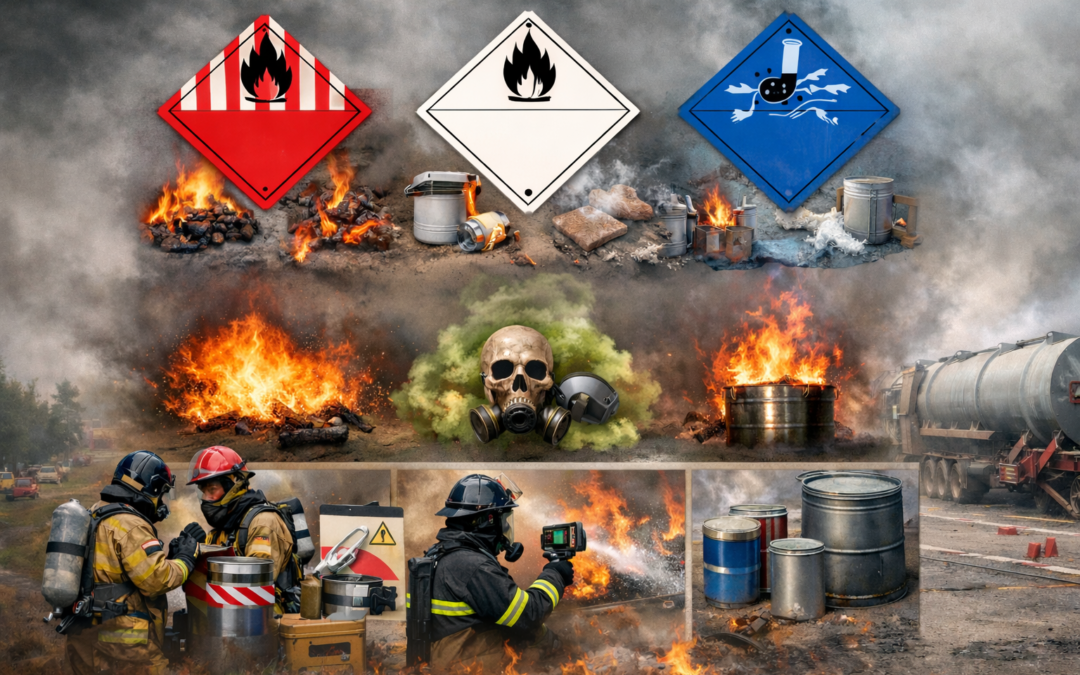
DOT Class IV materials are often marked with specific placards to indicate the type of hazard they pose. These include:
- Red Stripe Placards (Division 4.1 – Flammable Solids): These materials ignite easily from brief contact with ignition sources. Common examples include road flares, which are often stored with this placard.
- White Placards (Division 4.2 – Spontaneously Combustible): These indicate substances that can ignite spontaneously upon exposure to air. These materials require special care during transportation and storage.
- Blue Placards (Division 4.3 – Dangerous When Wet): These materials react violently with water and produce flammable gases. Special attention must be paid to the presence of moisture in the environment.
Packaging and Storage
Class IV materials are typically shipped in specialized packaging to minimize risk during transportation. These materials may be contained in moisture-resistant packaging, inert containers, or temperature-controlled units to prevent unwanted reactions.
For example, water-reactive materials may be packaged in moisture-resistant containers such as fiber drums with plastic liners or composite packaging. Some materials may also be shipped in non-bulk packaging, like metal cans or small containers, to reduce the impact of potential reactions.
Final Thoughts
DOT Class IV materials require careful attention due to their inherent risks. They can ignite spontaneously, react violently with water, or release toxic gases, all of which pose serious hazards during transportation and in the event of an accident. As first responders, understanding the different categories of DOT Class IV, the risks involved, and the appropriate safety measures is essential to ensuring a safe and effective response.
Stay vigilant, and always refer to the DOT regulations, including the 49 CFR guidelines, to stay informed about the latest safety protocols. The better prepared we are, the safer everyone will be when the unexpected happens.