PREMIUM MEMBERS ONLY!
VANCE BENNETT MEMORIAL
INSTRUCTOR’S CORNER
TABLE TOP DRILLS
Vance Bennett
Emergency Management Coordinator / Instructor II
Cal OES/CSTI Hazardous Materials Section
REMEMBERING VANCE BENNETT
Before Vance Bennett passed, his hope was to leave a lasting legacy in the HazMat community. We’re proud to honor his memory with the Vance Bennett Memorial Instructor’s Corner. Read Vance’s note to the next generation below:
TO THE NEXT GENERATION OF HAZMAT ENTHUSIASTS,
I’ve been reading the accounts of hazmat responses in the weekly newsletter. As I read, them I’ve noticed that hazmat response now is much different from what it used to be.
The responses now involve hazmat teams identifying a product (or products), evaluating the hazards then communicating that information to appropriate authorities. It seems that they rarely patch leaking pipes, move leaking drums, or wade through foot-deep pools of methyl-ethyl-dirosunal. However, it seems our training focuses on how we did things in the Jurassic Park era and not what teams do now.
I’ve been in the hazmat response field for a long time. The first incident response I was a part of involved a chemical tanker blowing up (SS Puerto Rican). It was a very educational experience. It helped me understand how a big incident can get the attention of prominent public officials. A few days into the incident, my boss (a USCG Vice Admiral) came out of his office and handing me a list of people that he wanted to talk to. Who was on the list? A US Senator, 2 members of Congress and the Mayor of San Francisco. It was quite an eye opener. I could go on.
Read More...
I got into the hazmat response world full-time in 1986 when I was transferred to the USCG Marine Safety Office in Los Angeles/Long Beach. I was put in charge of the environmental response division and ended up involved in responses in one of the busiest port complexes in the world (along with the other 4 counties in our jurisdiction).
All of this took place before the regulations such as HAZWOPER came into effect. Hazmat response was something of the wild west. There were a lot of crazy incidents that took place and the responses were even crazier. There were no standards for how industry was supposed to store and handle hazardous materials (see attached). Nor were there any standards or uniform practices for fire service hazmat teams. The results: big incidents with responders making it up as they went along.
Responses then often involved very aggressive hands-on tactics. Responders suited up and went into a hazardous environment to plug leaks. As various regulations went into effect and industry became more proactive the number of bad incidents began to taper off. The incidents that did occur required responders to spend time assessing, evaluating, and communicating instead of plugging and patching.
But, did our training change to reflect the changing times? I wonder.
Our training programs should focus on what hazmat teams are required to do now and not what they did 30+ years ago. However, do we really know what a hazmat team actually does now?
In all my years in the hazmat training business I’ve never heard anyone ask that question much less try to answer it.
Vance Bennett
Emergency Management Coordinator/Instructor II
CalOES/CSTI Hazardous Materials Section
“The end is inevitable, Maverick. Your kind is headed for extinction”
Admiral Chester ‘Hammer’ Cain
“Maybe so, sir. But not today.”
Pete ‘Maverick’ Mitchell
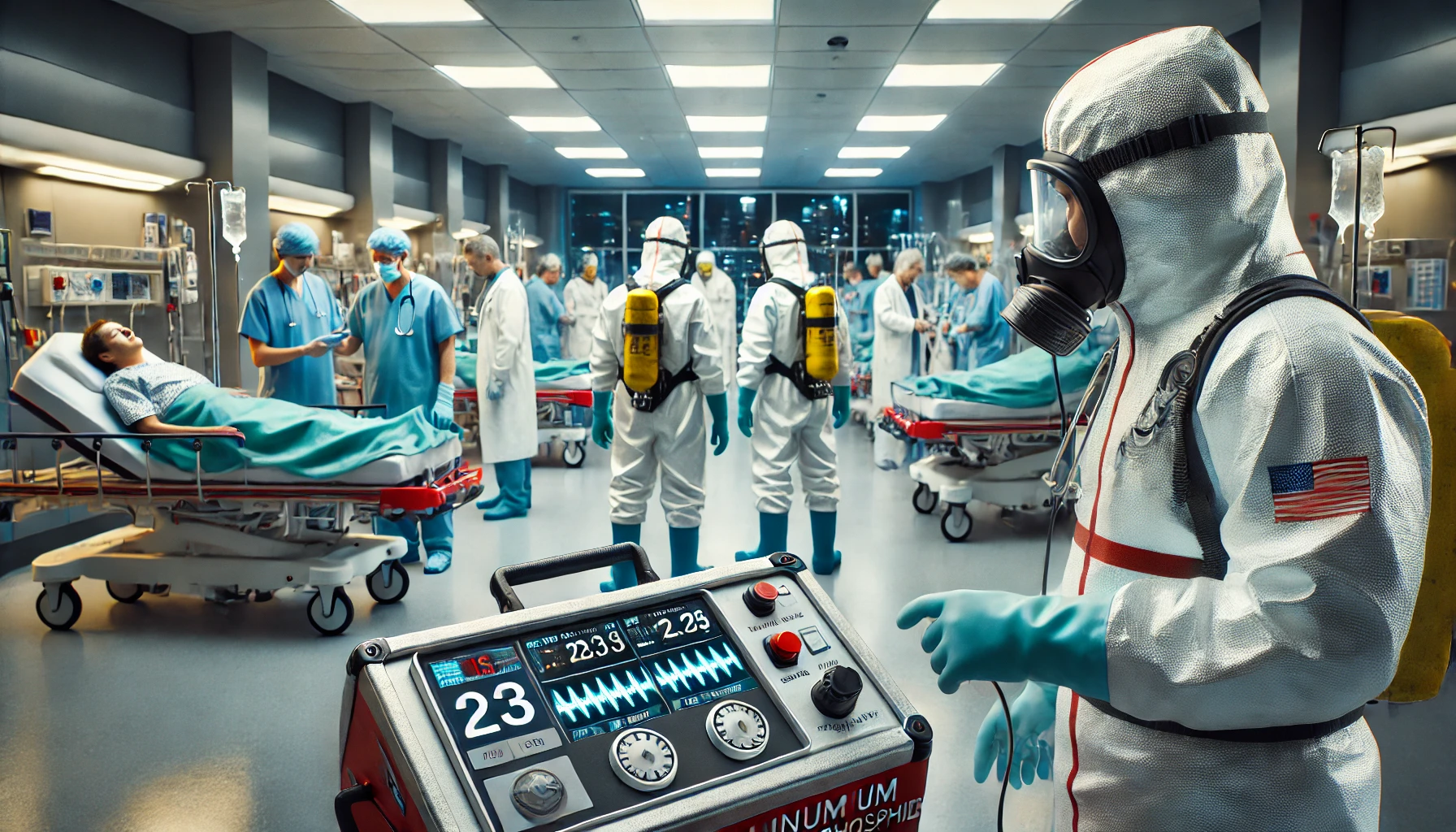
Drill #1: Aluminum Phosphide Chemical Suicide Table Top Exercise
A scenario based on an actual incident, involving air monitoring and risk mitigation techniques. Vance recalled, “This one came from the field—because sometimes reality writes the best lessons.” Download the supporting documents for this drill.
Drill #2: Trailer Firefighting
Watch the video on YouTube. Check out the description for this drill’s learning points.
Drill #3: Trailer Explosion
Watch the video on YouTube. Check out the description for this drill’s learning points.
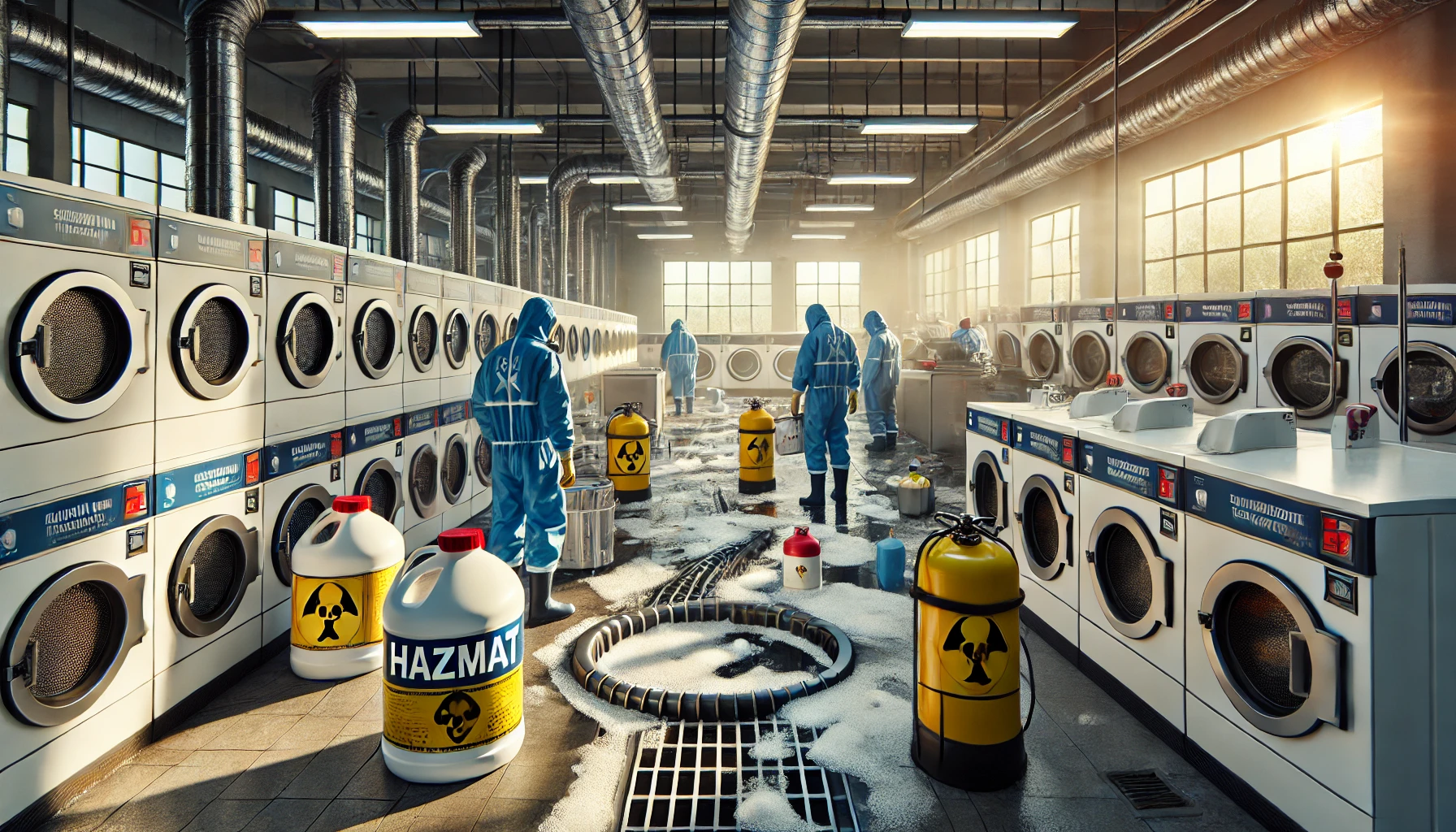
Drill #4: Tech Ref Briefing TTX (Industrial Chlorine Incident)
A tabletop exercise designed to foster group discussion and analysis of a chlorine incident. Participants evaluate potential responses and document findings without relying on predefined solutions. Vance emphasized, ‘There’s no such thing as a perfect answer, but there’s always a better question.’
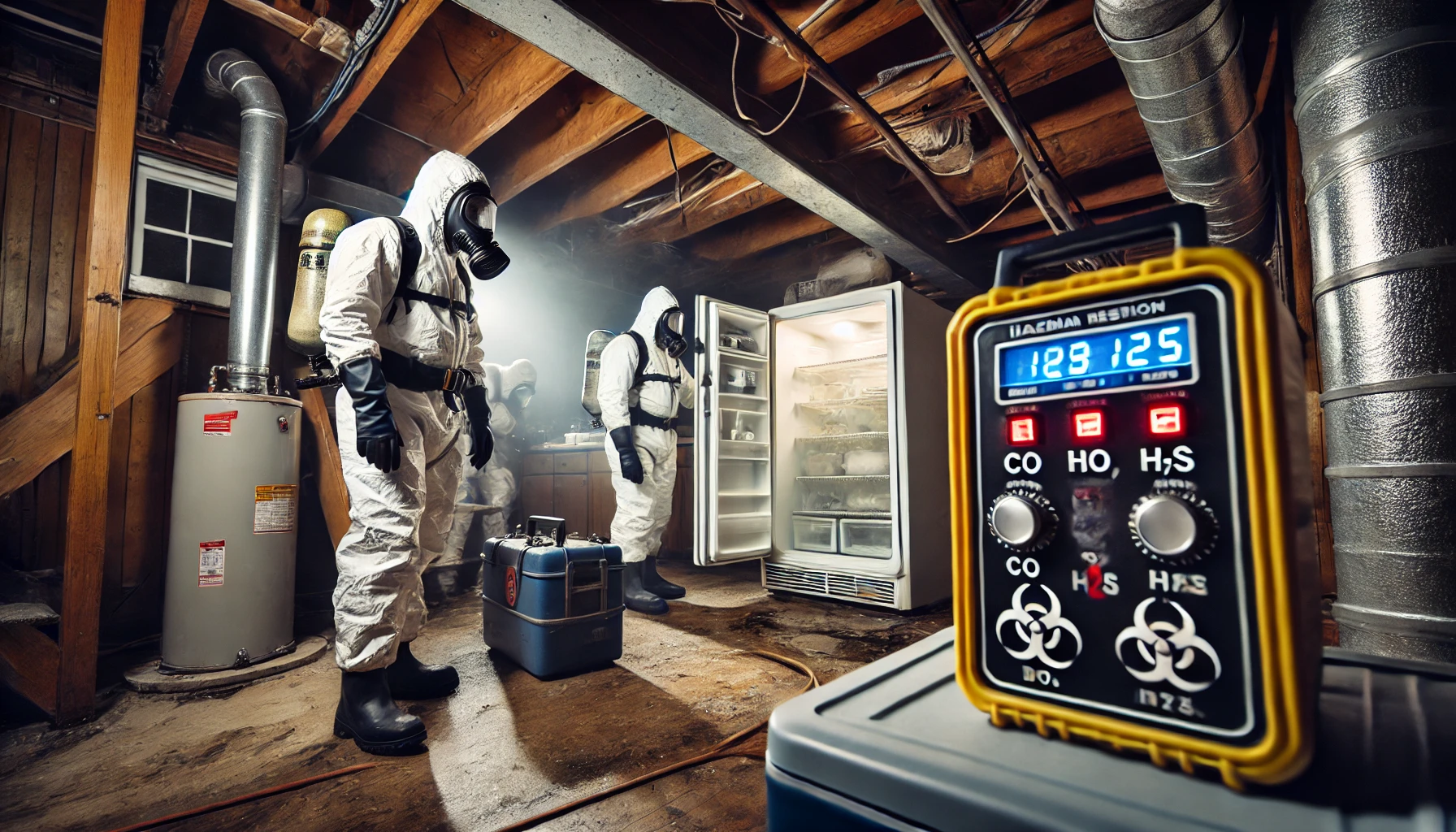
Drill #5: Odor Complaint
A drill focused on identifying hazards, evaluating meter readings, and communicating findings during an odor-related incident.
Vance liked to point out, ‘Sometimes, it’s the smallest clues—like an odor—that can save the day.’
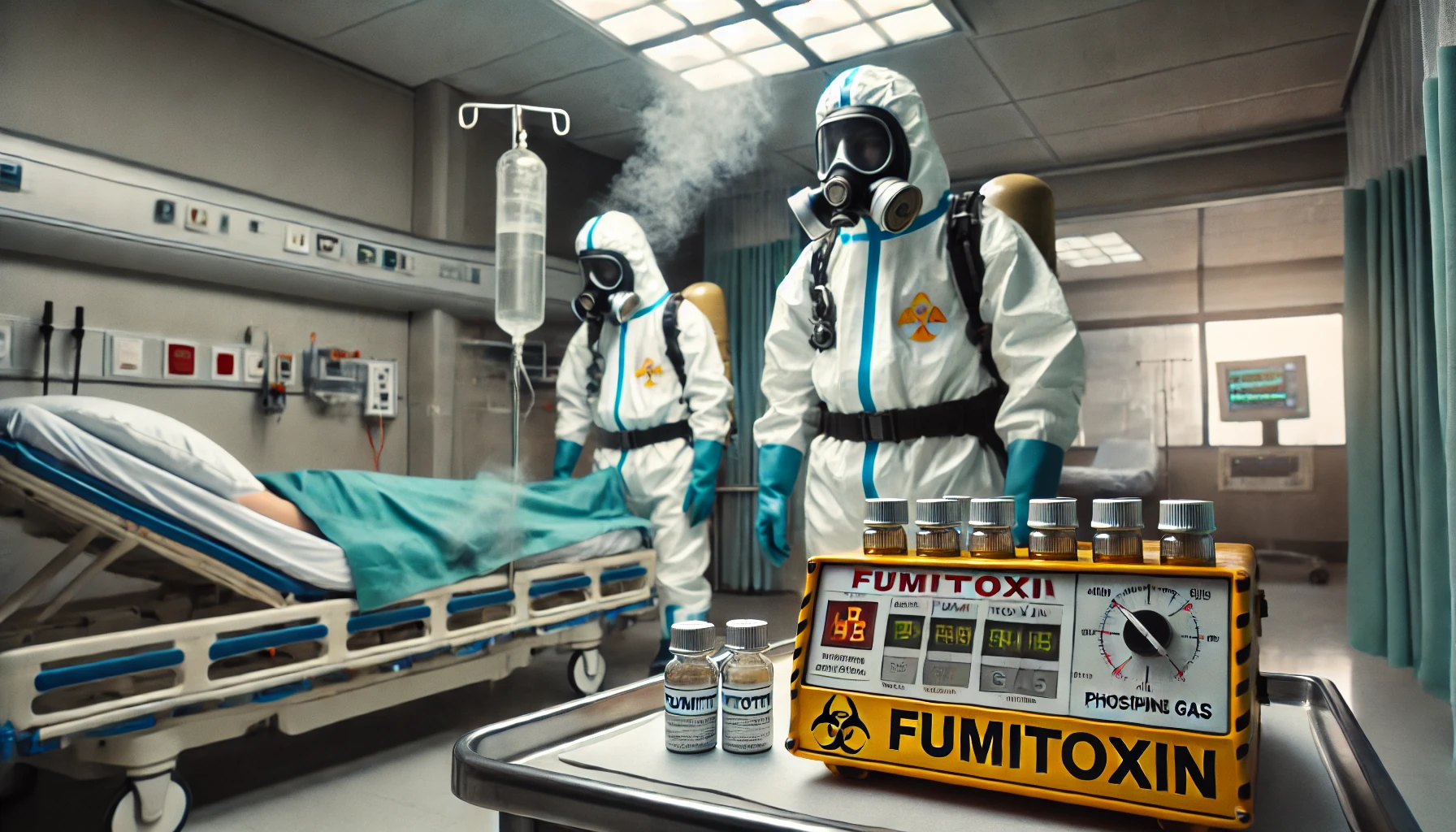
Drill #6: Chemical Suicide
This scenario requires hazmat technicians to evaluate chemical suicide incidents, focusing on meter usage and hazard communication with non-hazmat personnel. Vance remarked, ‘This isn’t just about saving lives—it’s about knowing when to step back and protect yourself too.’
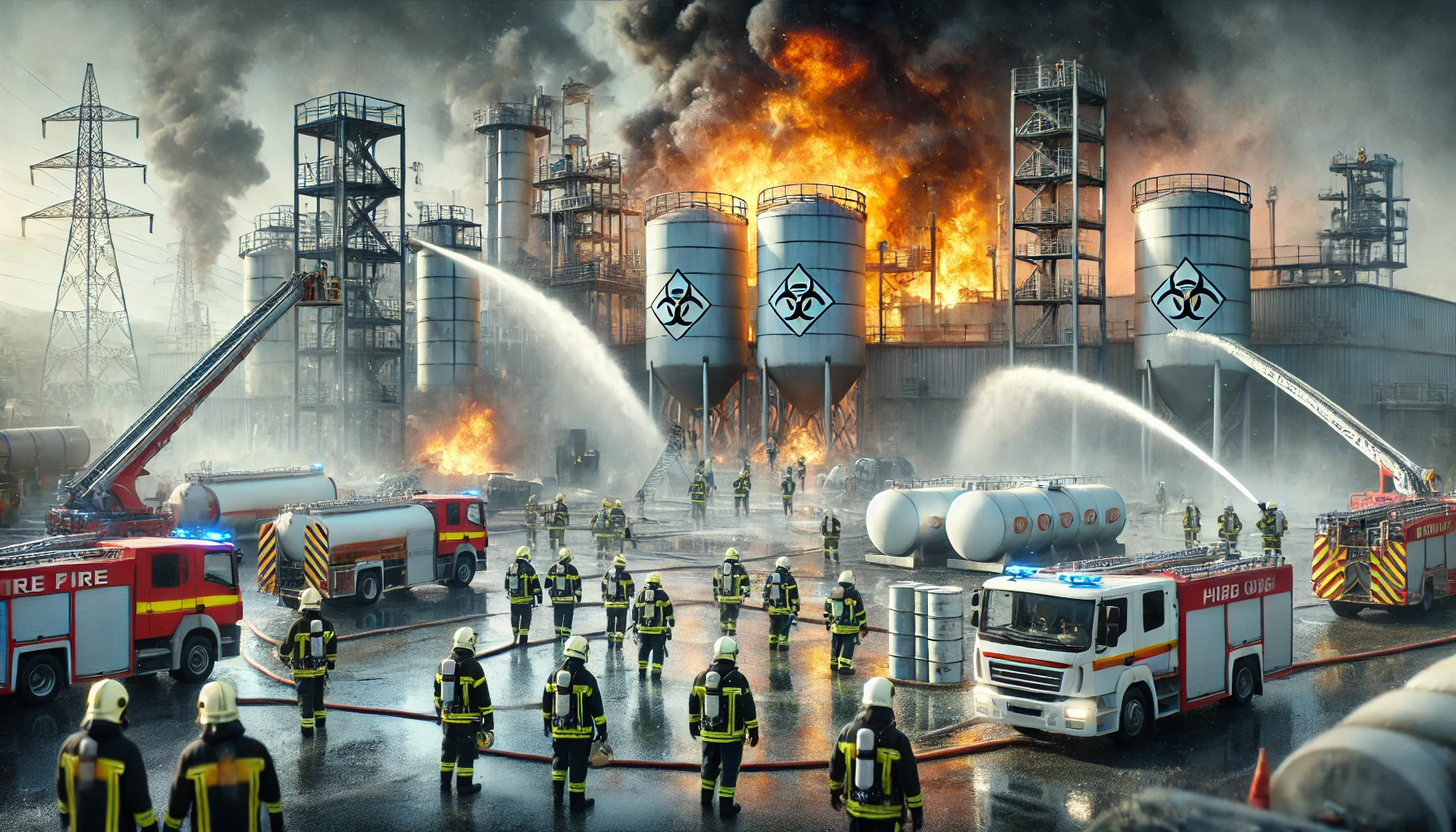
Drill #7: Fricker Fire Report
A case study for analyzing fire scenarios and exploring advanced firefighting techniques in hazmat situations.
Vance often said, ‘Every fire has a story, and it’s our job to learn to read it.’
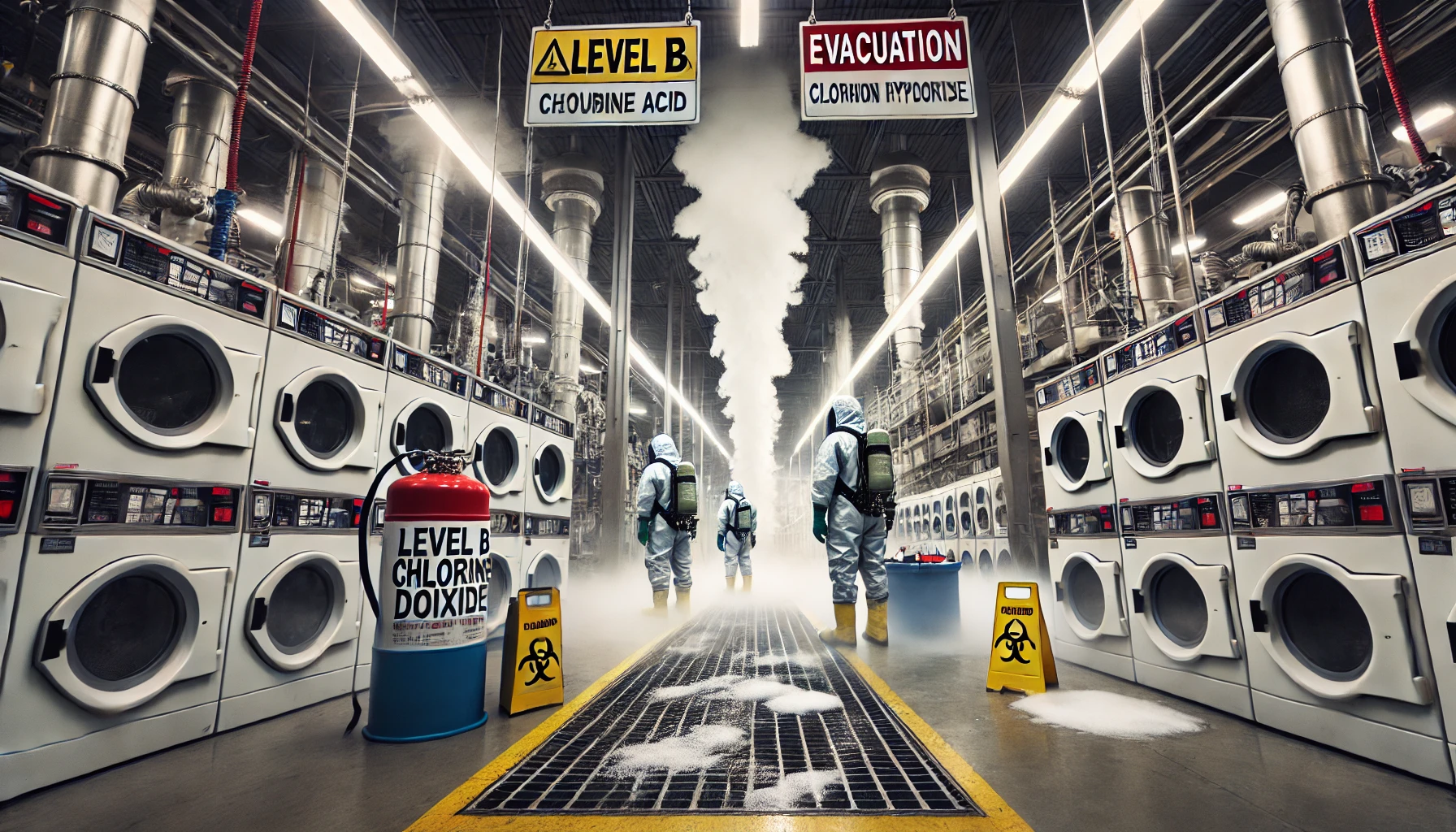
Drill #8: Commercial Laundry Incident
A drill designed to train hazmat technicians in responding to toxic gas releases caused by incompatible chemicals. “This drill is all about recognizing hazards quickly and making informed decisions under pressure,” says Vance.
Download the supporting documents for this drill.
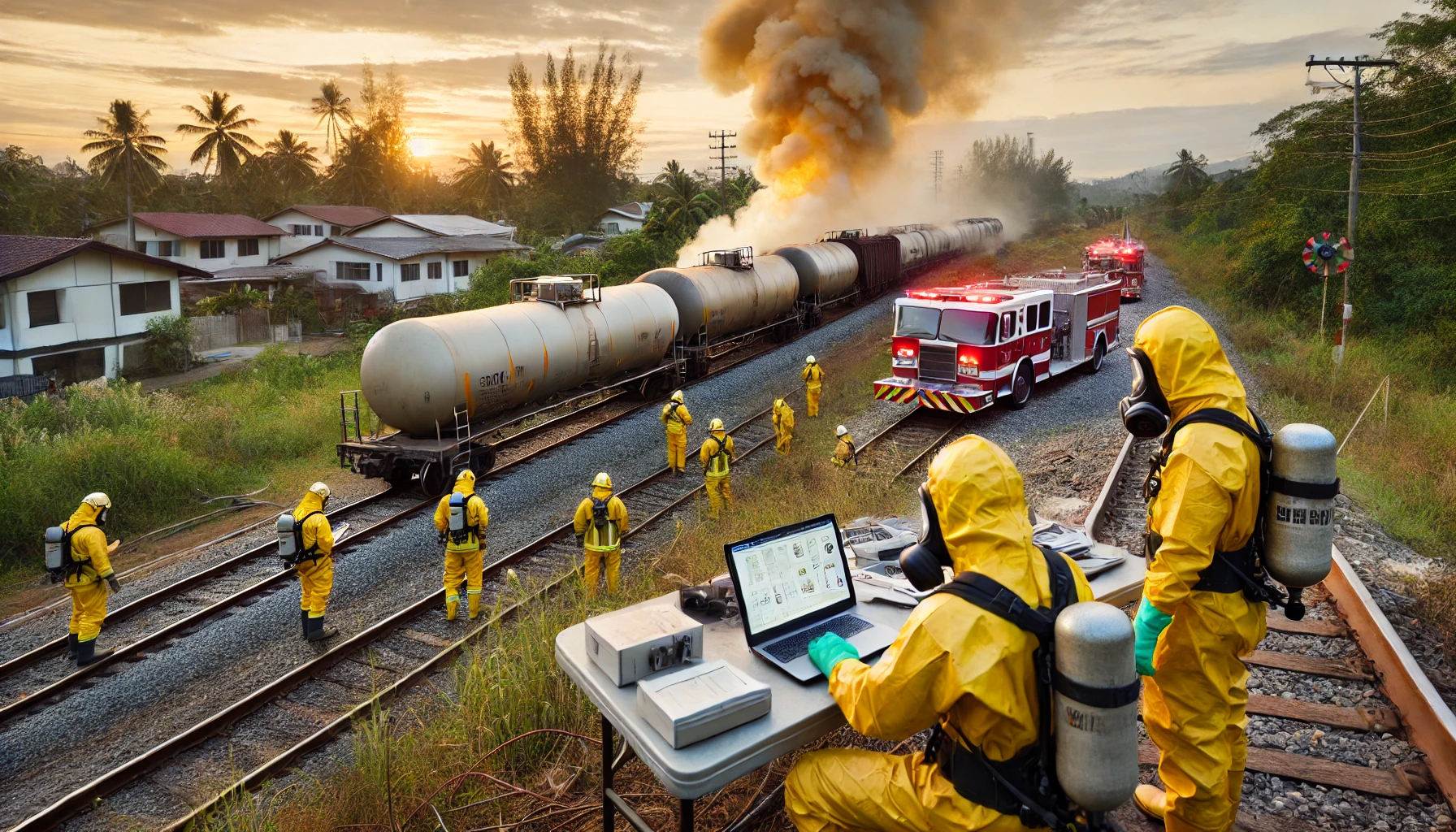
Drill #9: ALOHA – Risk Management
This drill challenges responders to assess hazards from a chlorine release scenario using ALOHA air modeling. It focuses on risk identification, response strategy evaluation, and decision-making skills. As Vance often reminded, ‘It’s all about learning to see the invisible risks.’
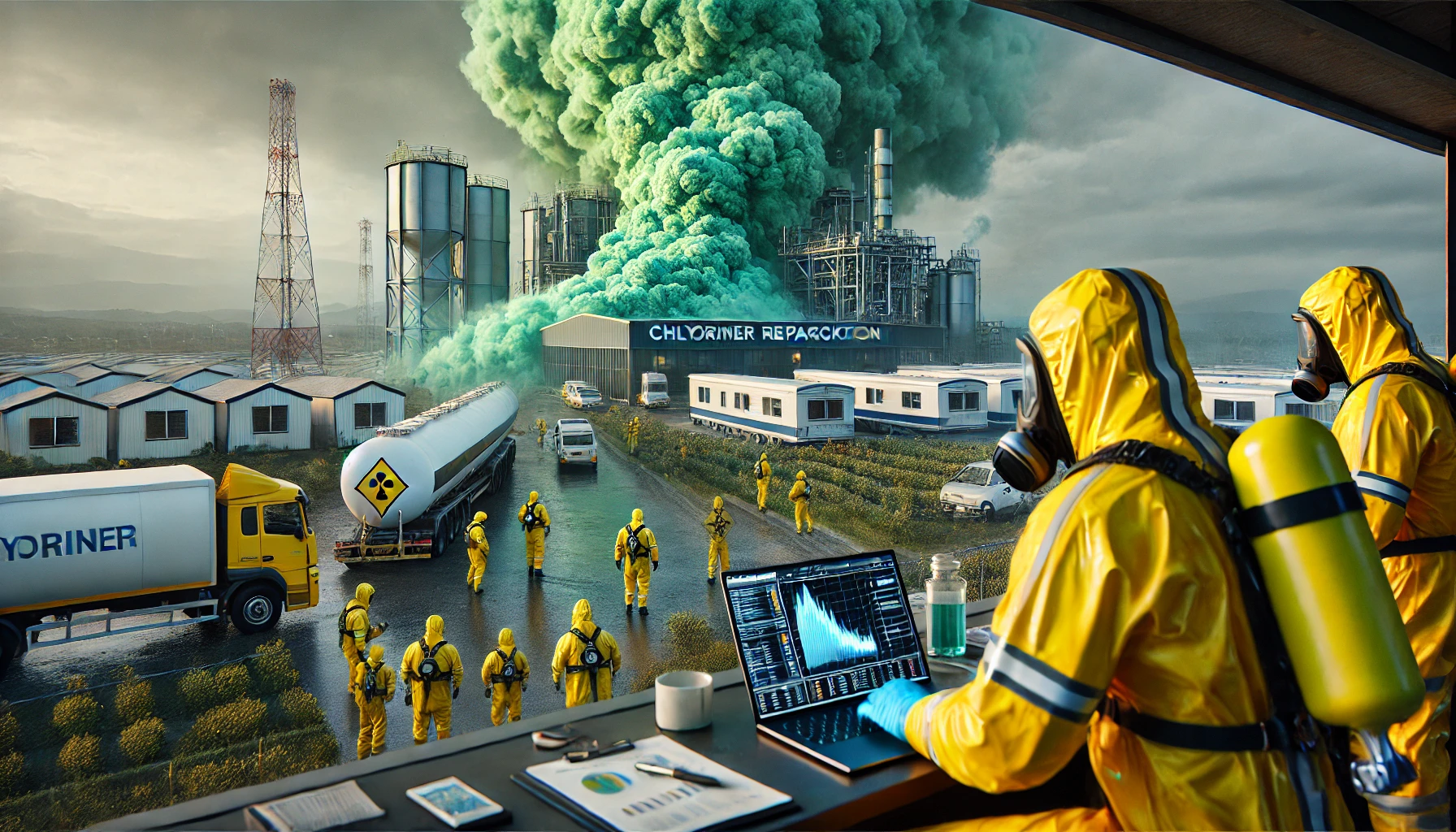
Drill #10: ALOHA – Plume Modeling
This exercise focuses on predicting chlorine gas dispersion using ALOHA air modeling. This hands-on scenario prepares responders to assess risks, recommend protective actions, and effectively manage hazardous material emergencies in real-world settings.
Download the DPC Report on this incident.
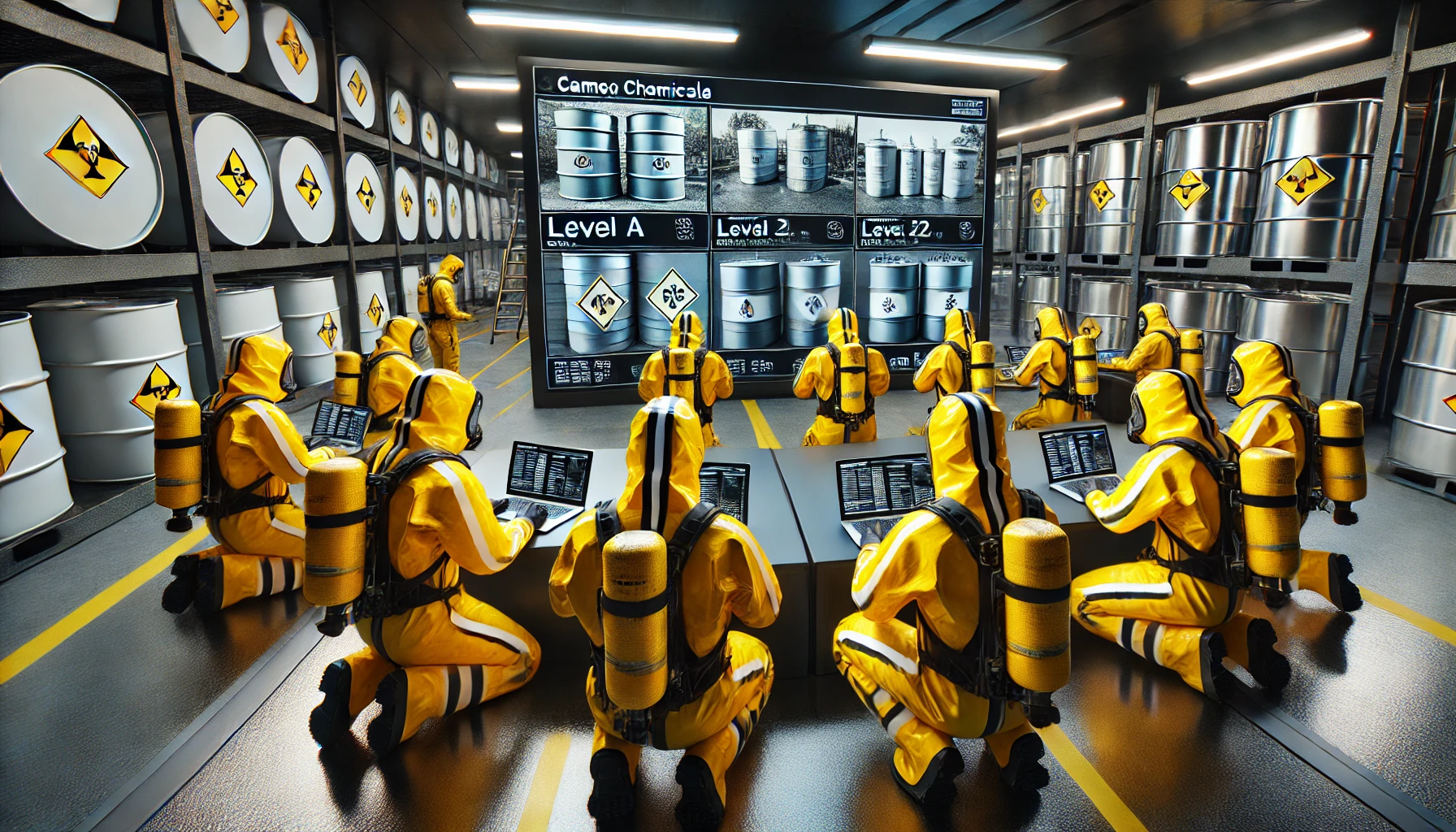
Drill #11: CAMEO Problems
This exercise trains responders to use the CAMEO Chemicals app for identifying and addressing hazardous materials. Visual aids include container and vehicle images to enhance situational awareness. Vance often said, ‘If you’re not using the tools in your pocket, you’re missing half the picture.’
Developed by California Office of Emergency Services (CalOES) and CSTI.