Inside a Magic Mushroom Grow: A Hazmat Nightmare
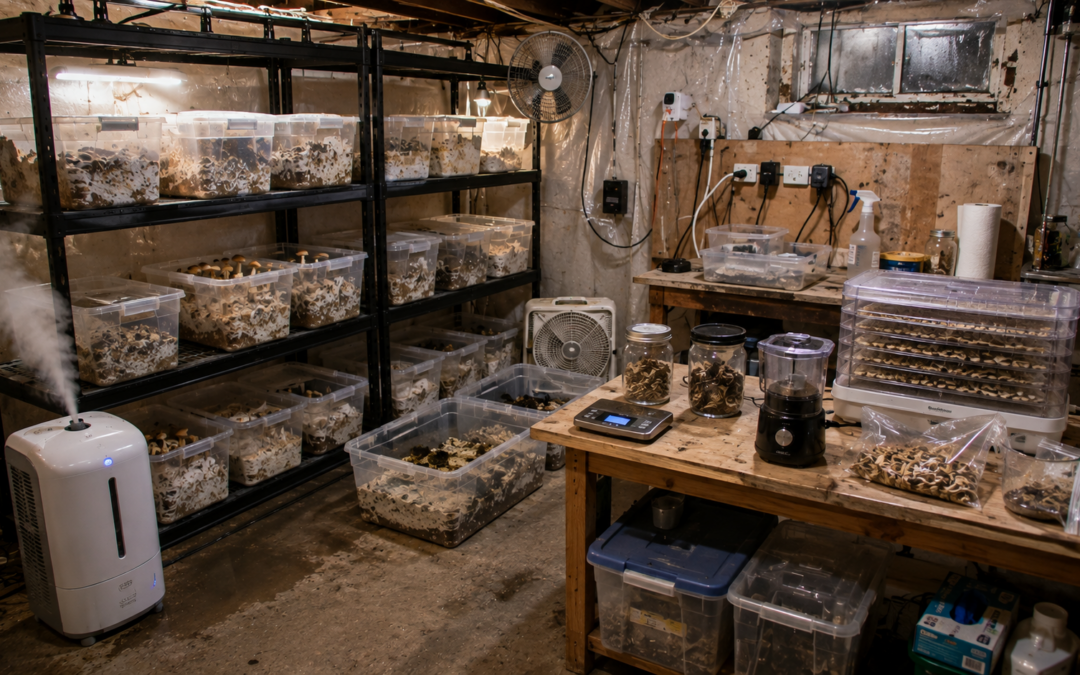
Hazmat tends to let the name of the incident dictate how dangerous we think it is. Dispatch says clandestine drug lab and the mind immediately goes to methamphetamine production, flammable solvents, corrosives, toxic gases, improvised reaction vessels, and questionable chemistry happening in a room never designed to contain it. Then you walk through the door and find plastic tubs, shelving, humidifiers, bags of substrate, white fungal growth, dehydrators, grinders, capsules, and mushrooms.
It is clearly an illicit drug operation, but chemically it may look nothing like the clandestine laboratories hazmat teams traditionally train for. That creates an interesting problem. Overreact, and a mushroom grow starts getting treated like a reactive chemical synthesis lab. Underreact, and the biological, particulate, electrical, environmental, and operational hazards that actually exist get dismissed because the mushrooms themselves seem relatively benign. The right approach is to understand the process well enough to recognize what can actually hurt us.
This Is Cultivation, Not Chemical Synthesis
Psilocybin mushrooms are fungi, and the mushroom itself is the fruiting body produced by a larger fungal organism. Much of that organism exists as a network of mycelium growing through a substrate. When conditions are right, fruiting bodies develop and mature mushrooms can eventually produce and release microscopic spores. That is fundamentally different from synthesizing a drug through a series of chemical reactions, and the difference should immediately affect the behavioral predictions a hazmat technician makes.
A methamphetamine laboratory may involve reactive chemistry, flammable solvents, corrosives, toxic gases, heat, incompatible materials, and dangerous waste products. A mushroom grow is primarily about creating environmental conditions favorable to fungal growth. Responders may encounter tubs, bags, shelving, humidification equipment, filtration materials, substrate, and containers filled with mycelial growth. A small operation may consist of a few containers hidden in a closet, while a larger operation can fill rooms with cultivation, harvesting, drying, processing, and packaging equipment.
Scale changes the magnitude of the problem, but not the underlying process. More growing material means more humidity, fungal material, electrical equipment, opportunities for contamination, and potentially more post-harvest processing. The professional response begins by understanding that distinction instead of importing the entire meth-lab playbook simply because an illegal drug is involved.
Reading the Grow Before Touching Anything
Responders do not need to know how to cultivate psilocybin mushrooms to recognize what a grow operation is trying to accomplish. Fungal cultivation depends on controlling moisture, temperature, cleanliness, and air exchange, and those requirements leave clues throughout the scene. Plastic tubs or bags containing substrate, enclosed shelving, humidifiers, sprayers, filtration materials, fans, and fungal growth can begin painting the picture before anyone positively identifies the species being cultivated.
Moisture is one of the more important clues. Warm, humid environments favorable to the intended fungus can also support unwanted molds and other microbial growth. In residences or improvised spaces, moisture can migrate behind wall coverings, into drywall, insulation, and concealed spaces. The visible growth may therefore represent only part of the biological contamination problem.
This is also where responders need to control their curiosity. If a tub is closed and stable, opening it simply to see what is inside may accomplish very little while disturbing fungal material or contaminated substrate. The same applies to shaking bags, dumping material, or pulling apart an improvised growing system without an operational reason. Hazmat teams already understand this principle with chemicals: do not unnecessarily create the release you are trying to characterize. A biological operation deserves the same discipline.
Spores, Mold, and What the Meter Cannot See
Fungal spores and other biological particulates become part of the exposure conversation, particularly in larger or contaminated operations. That does not mean entering a room containing mushrooms automatically creates an immediately dangerous atmosphere. It means the air may contain something our traditional hazmat instruments simply are not designed to detect.
A standard four-gas instrument can provide valuable information about oxygen, combustible atmospheres, and whichever toxic gases its sensors measure. It cannot tell you whether fungal spores, mold fragments, mushroom dust, or other biological particulates are suspended in the air. Normal oxygen, zero LEL, and normal toxic sensor readings do not magically transform a biological environment into clean air. They tell you the instrument did not identify the hazards it was built to measure.
The physical condition of the operation matters too. Closed containers sitting undisturbed present a different exposure potential from contaminated substrate being dumped or mature fungal material being aggressively handled. Opening, shaking, sweeping, or moving material can change the exposure conditions themselves. Sometimes the safest initial action is simply leaving contained material contained.
The Hazard Changes After Harvest
Once mushrooms are harvested, responders may encounter dehydrators, drying equipment, scales, packaging materials, capsules, grinders, food-processing equipment, chocolate molds, or other evidence that the product is being prepared for consumption or distribution. This transition matters because the physical form of the material changes along with the operation.
An intact mushroom behaves differently from dried fungal material being pulverized in a high-speed grinder. Once dried material becomes a fine powder, dumping, transferring, spilling, or opening processing equipment can place particulate into the air. That does not mean a responder who inhales a trace amount should expect to begin hallucinating. The more defensible concern is straightforward particulate exposure. You have an unknown concentration of biologically derived dust being mechanically dispersed into an indoor environment, and there is no operational advantage to putting that material into your lungs, eyes, or mucous membranes.
Processing equipment also tells us something about scale. A few cultivation tubs may represent something very different from a room containing dehydrators, bulk dried material, grinders, scales, capsules, food-processing equipment, and packaging supplies. At that point, responders are looking at cultivation combined with processing and distribution, and the hazard assessment should evolve accordingly.
The Ordinary Hazards May Matter More
Mushroom cultivation is not chemical synthesis, but ordinary chemicals can still be present. Growers may use products such as isopropyl alcohol or hydrogen peroxide to control unwanted contamination. Those materials should be evaluated by concentration, quantity, ventilation, and conditions rather than automatically treated as evidence of sophisticated chemical processing. A small bottle of disinfectant is one thing. A significant flammable-liquid spill inside a poorly ventilated room is another.
The electrical environment may deserve even more attention. Humidifiers, heaters, fans, lighting, air conditioners, timers, dehydrators, extension cords, and power strips can all be operating in spaces intentionally kept humid. Larger operations increase electrical demand while potentially relying on residential wiring and improvised distribution systems. Add condensation, wet floors, overloaded circuits, questionable wiring, and improvised modifications, and the mushrooms may become considerably less interesting than what is plugged into the wall beside them.
Fungi also consume oxygen and release carbon dioxide through respiration, but that fact should not be exaggerated. A mushroom grow should not automatically be assumed to contain an oxygen-deficient or dangerous CO₂ atmosphere. Scale, ventilation, and enclosure matter. A few tubs in a ventilated residence are different from substantial biological activity inside a tightly enclosed space. If conditions justify concern, monitor accordingly, and remember that a conventional four-gas meter may not directly measure CO₂ unless it has a dedicated sensor.
The Patient May Be a Bigger Problem Than the Grow
Psilocybin-containing mushrooms are psychoactive when ingested. Effects can include altered perception, changes in the perception of time, visual phenomena, emotional changes, confusion, nausea, anxiety, panic, and impaired judgment. Their direct physiological toxicity is relatively low compared with substances such as opioids, but severe intoxication can still become an emergency. Someone experiencing profound perceptual changes can fall, run into traffic, injure themselves, become dangerously agitated, or react unpredictably because what they perceive no longer matches the environment.
Responders also cannot assume psilocybin is the only drug involved. Alcohol, cannabis, stimulants, opioids, prescription medications, or other substances may be present. Treat the patient based on their presentation, not the folklore surrounding mushrooms. The same principle applies to responder exposure. Incidental skin contact with a mushroom is not a realistic route to suddenly becoming intoxicated, and touching one is not going to make a firefighter start hallucinating.
The larger scene may also contain sharps, weapons, impaired occupants, children, animals, or unrelated criminal activity. Syringes can have legitimate uses within cultivation, but nobody entering an illicit operation should assume an unidentified needle is clean or know exactly what it was used for. The chemistry may be relatively unimpressive while the scene itself remains complicated.
The Mushroom Might Be the Least Interesting Thing in the Room
A psilocybin grow can absolutely be a clandestine drug operation without sharing the core hazards associated with methamphetamine production. It also does not automatically require Level A protection simply because an illegal drug is being produced. PPE should answer a basic question: what are we protecting ourselves from? If the concern is biological particulate, select protection appropriate for that exposure. If monitoring identifies a flammable environment, address it. If you discover unidentified chemicals or additional processes, reassess. Protection should follow the hazard assessment, not replace it.
The opposite mistake is assuming that because mushrooms are natural, the environment is harmless. Mold, biological particulate, contaminated substrate, flammable cleaning products, electrical hazards, impaired occupants, sharps, weapons, and secondary operations can all create legitimate responder problems. Natural and safe are not synonyms, just as illegal and immediately dangerous are not synonyms.
Once the entire scene is considered, the psilocybin-containing mushroom itself may rank surprisingly low on the list of things capable of hurting a properly equipped responder. The mold growing behind a wall may matter more. Pulverized fungal material being thrown into the air may matter more. An overloaded extension cord beside a humidifier may matter more. An unidentified bottle, impaired occupant, discarded needle, firearm, or unrelated secondary operation may change the incident far more dramatically than the mushrooms growing in the tubs.
That is the real value of understanding these operations. A mushroom grow does not need to be treated like a meth lab to be treated professionally. Understand the process, identify the actual hazards, know what your instruments can and cannot tell you, select PPE for the exposures that actually exist, and avoid creating new problems while investigating the ones already there.
The mushrooms may be why you were called. They do not necessarily tell you what can hurt you once you walk through the door.