
by Timmy | Sep 30, 2026 | Featured
The Fernald Radiation Experiments: When Science Outpaced Ethics When we talk about HazMat, we often focus on the evolution of equipment, procedures, and technology. We look at how lessons learned from incidents changed the way we operate today. But sometimes...
by Timmy | Sep 17, 2026 | Featured
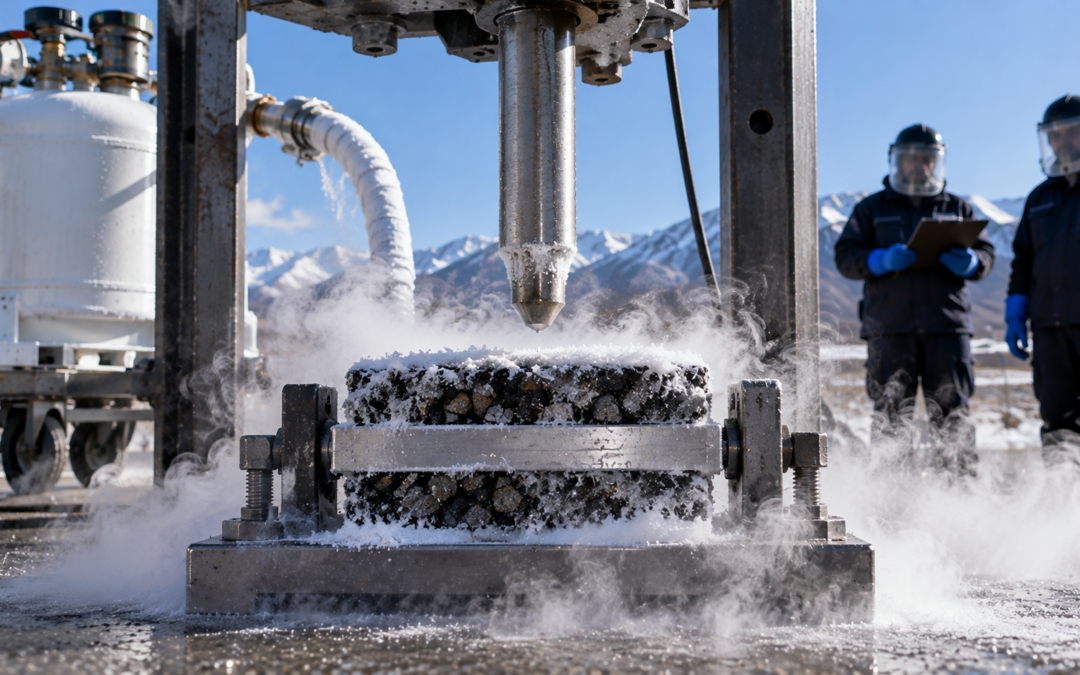
Liquid Oxygen: Testing a HazMat Myth Liquid oxygen has a reputation in the fire service that is hard to shake. We’ve all heard the warnings: don’t step on the frost, don’t drive over a liquid oxygen spill, and whatever you do, keep ignition...
by Timmy | Sep 12, 2026 | Featured
9/11 Changed HazMat Forever: 25 Years of Evolution September 11, 2001, changed the fire service in countless ways, but the evolution of hazardous materials response was among the most significant. That day exposed gaps in equipment, training, experience,...
by Timmy | Sep 9, 2026 | Featured
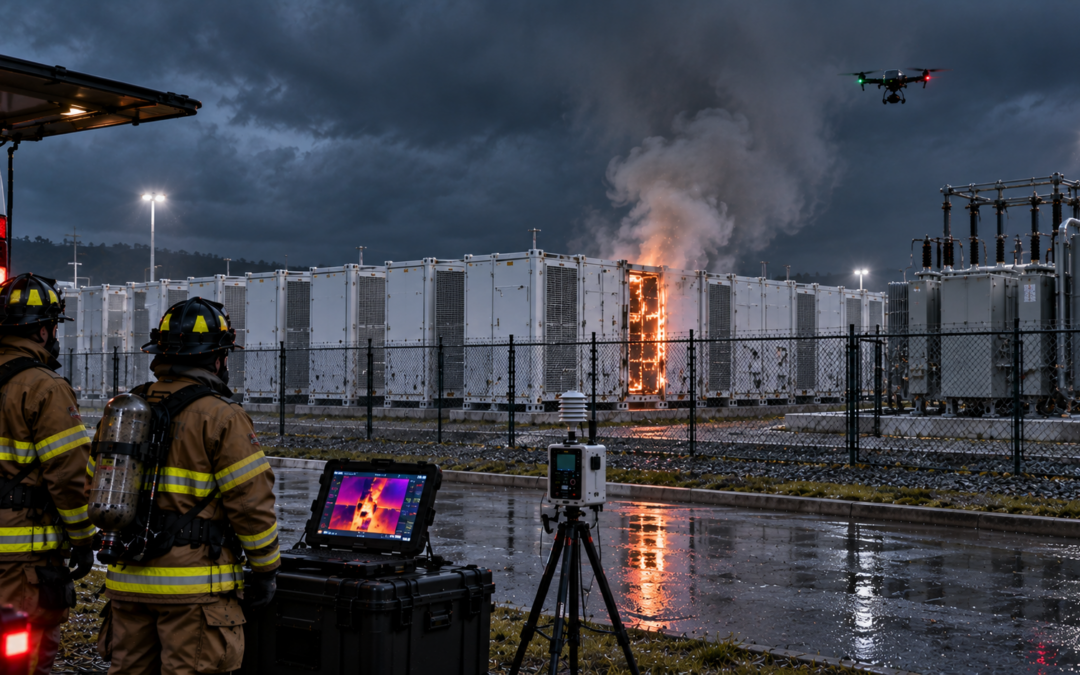
ESS Fires: When the Same Battery Fire Happens Twice Energy storage systems are becoming increasingly common, and with them comes a new category of incidents that challenges some of the traditional assumptions we bring to the fireground. But understanding an ESS...
by Timmy | Sep 4, 2026 | Featured
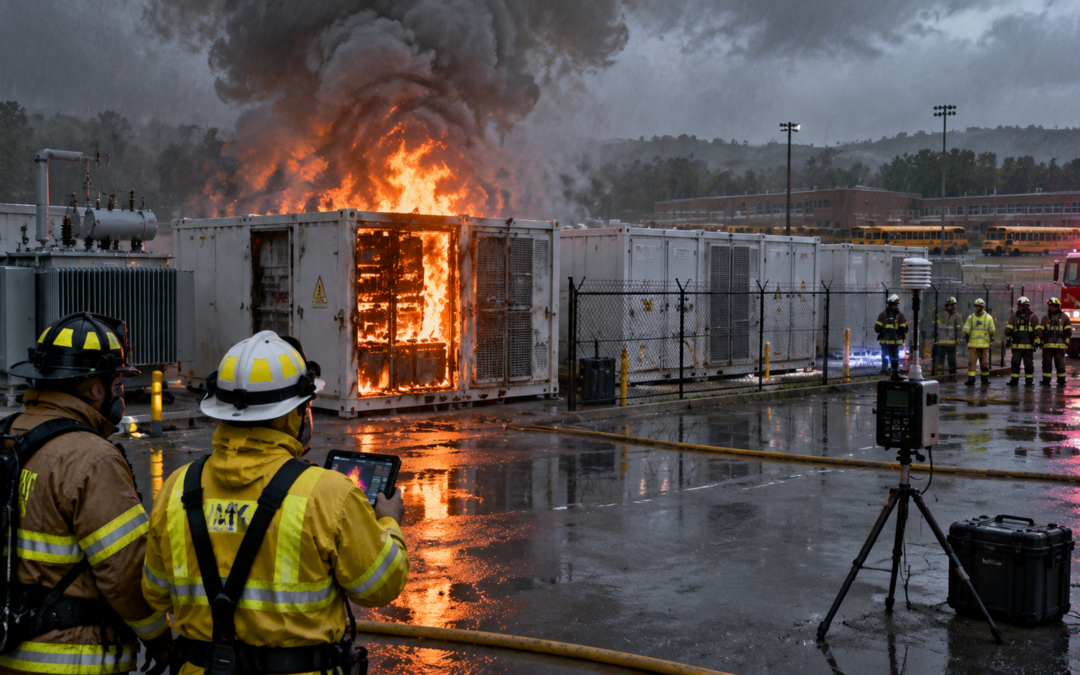
Lessons From an ESS Fire: Beyond “Let It Burn” Energy storage systems are becoming increasingly common across the country, creating a new challenge for emergency responders. Unlike traditional fires that firefighters have spent decades training...

by Timmy | Sep 2, 2026 | Featured
The Top 10 Chemicals Moving on America’s Highways Every day, millions of people drive alongside hazardous materials without ever giving them much thought. Tank trucks move through cities, down interstates, and into industrial areas carrying the chemicals that...