by Timmy | Aug 8, 2026 | Featured
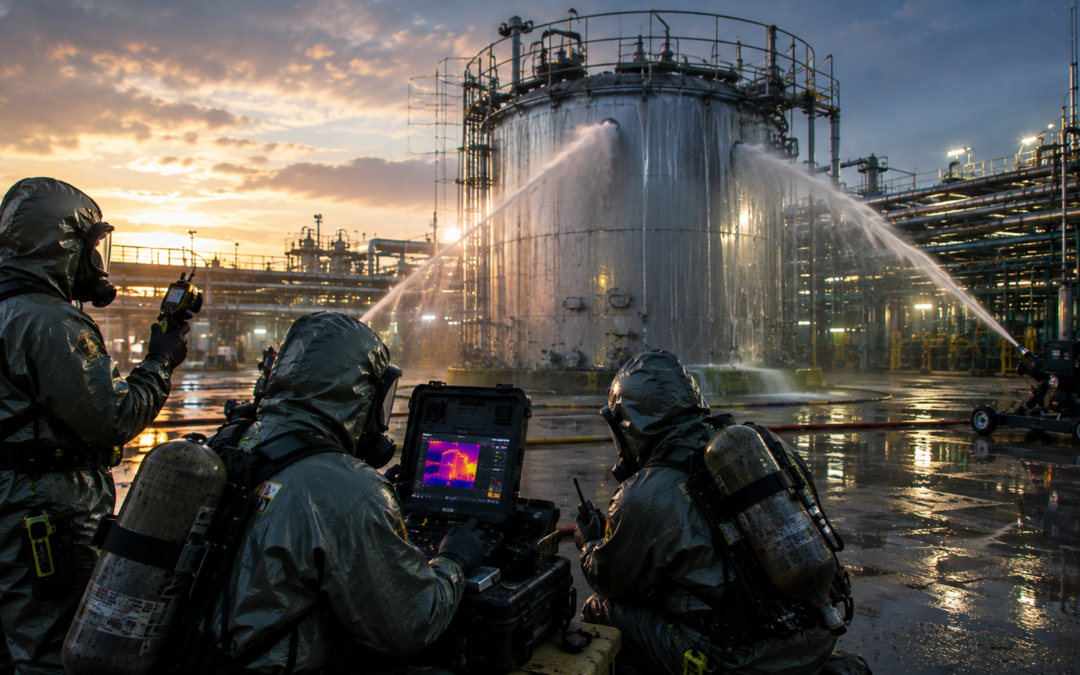
When Chemistry Refuses to Stop Most hazardous materials incidents begin with the assumption that something can be stopped. We shut valves, plug leaks, patch containers, and isolate damaged systems because the emergency usually exists somewhere between the product and...
by Timmy | Aug 5, 2026 | Featured
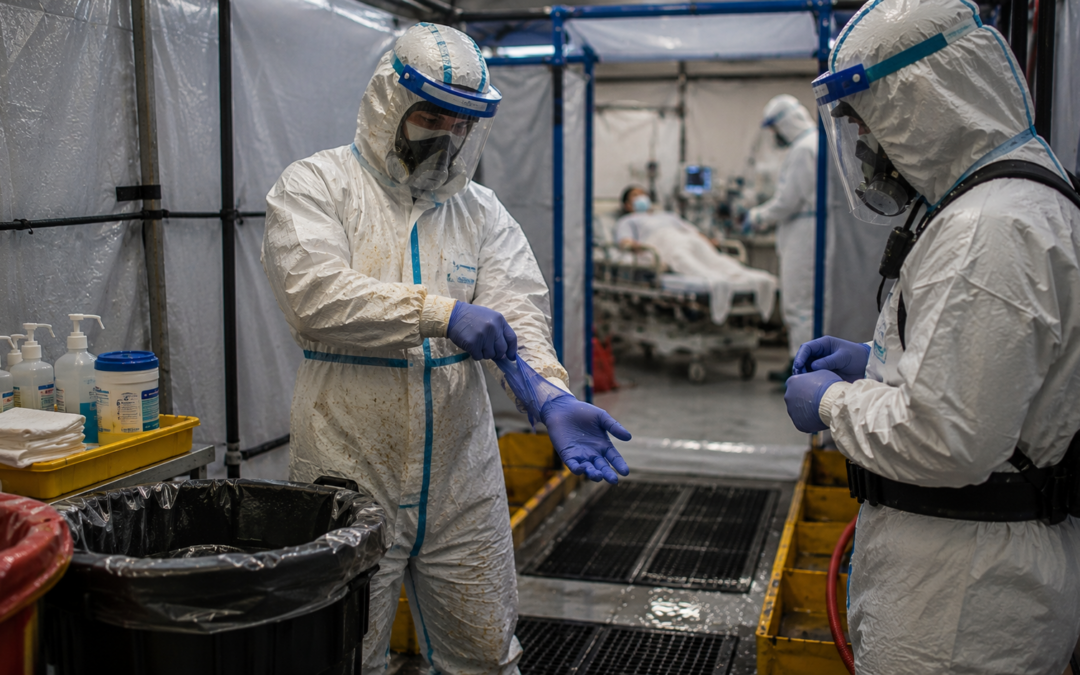
The Most Dangerous Part of an Ebola Response Isn’t What You Think Few diseases capture public attention quite like Ebola. Images of responders in fully encapsulating suits, isolated treatment centers, and headlines reporting high mortality rates have shaped how...
by Timmy | Jul 29, 2026 | Featured
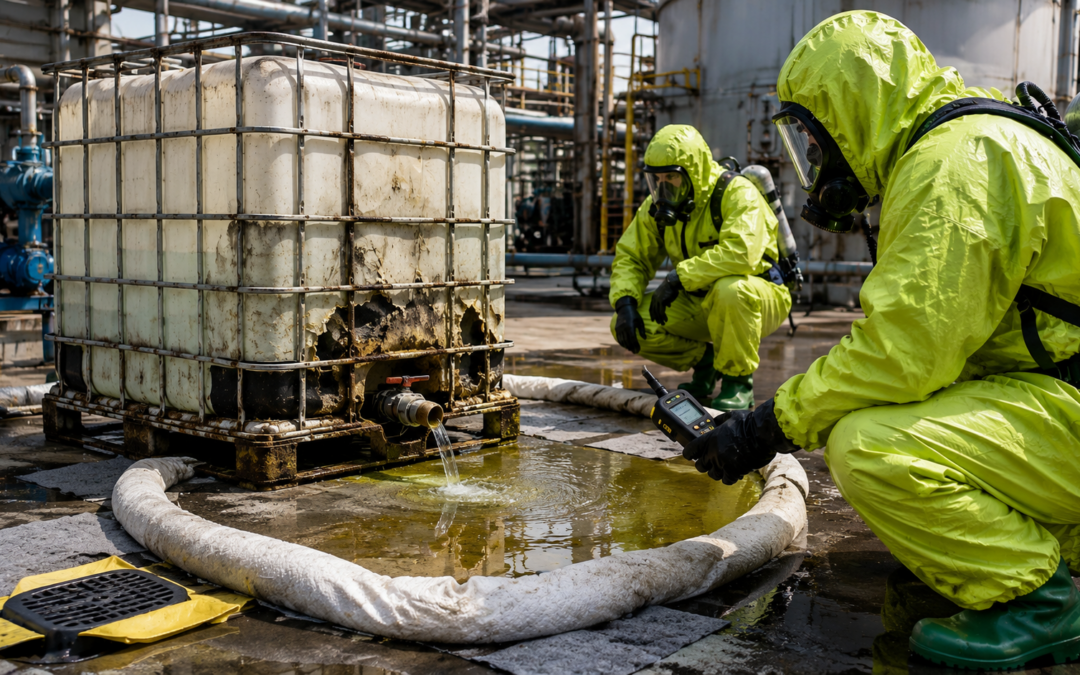
Corrosives Are More Than Just Acids and Bases Corrosives have a reputation for being predictable. Most responders see a Class 8 placard and immediately think acids, bases, and chemical burns. While none of those answers are wrong, they only scratch the surface of what...
by Timmy | Jul 22, 2026 | Featured
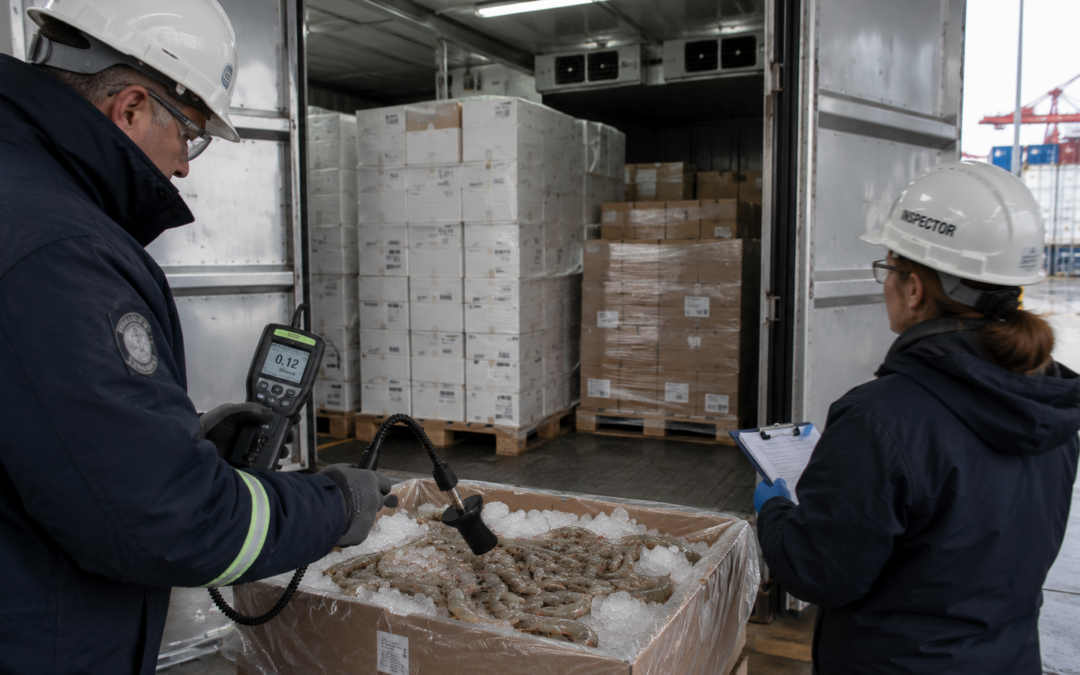
Hazmat Threats You Are Not Hearing About There is this weird thing that happens when we talk about hazmat threats. We spend all this time training for chemical, biological, and radiological incidents. Then somebody inevitably asks the question: Does this stuff really...
by Timmy | Jul 17, 2026 | Featured
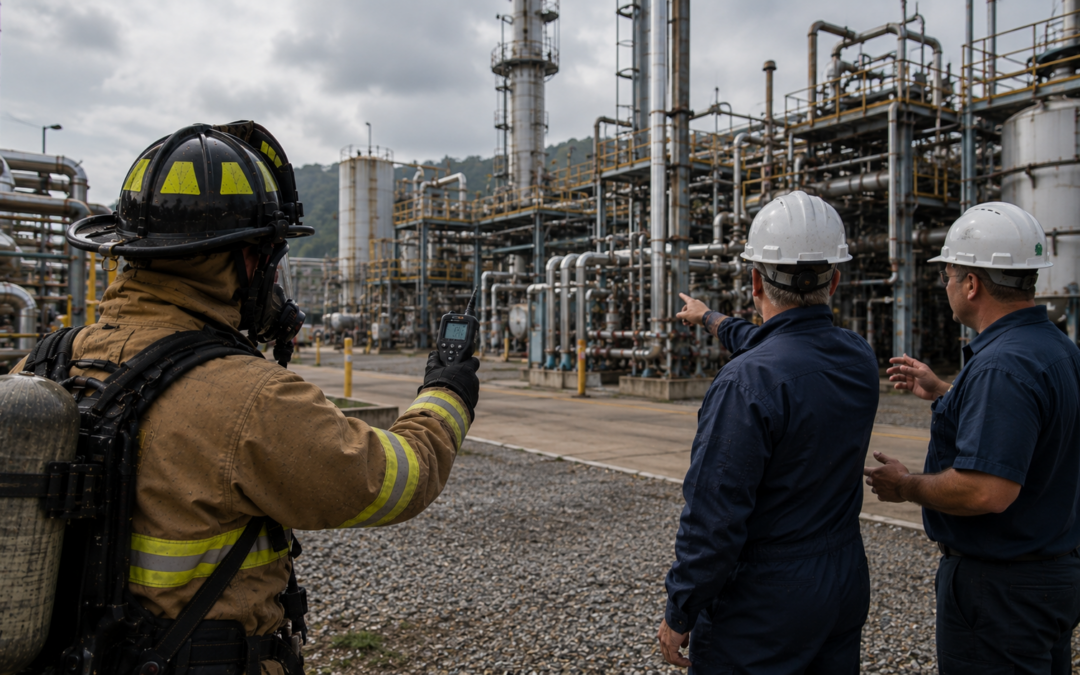
Your Nose Is Not A Meter Using your senses during a hazardous materials incident is one of those topics that makes instructors uncomfortable. Not because sensory clues are useless, but because they are incredibly easy to misuse. The moment someone hears that an odor...